


The sulfur dioxide corrosion test chamber uses sulfur dioxide corrosion gas to accelerate corrosion of materials or products under a certain temperature and relative humidity environment, and reproduces the degree of damage suffered by materials or products within a certain time range. Kesternich corrosion chambers can be used to assess the resistance of materials and their protective layers to sulfur dioxide corrosion, as well as to compare the process quality of similar protective layers. They can also be used to assess the resistance of certain products to sulfur dioxide corrosion.
Kesternich (SO2) chambers are suitable for corrosive gas testing of parts, electronic components, protective layers of metal materials, and industrial products. Installing a sulfur dioxide test chamber is crucial for industries concerned about materials’ performance and corrosion resistance in harsh environments.
| Equipment Name: Sulfur Dioxide Test Chamber | Test Conditions |
| Temperature Range: RT +5℃~+50℃ | |
| Relative Humidity: Test Humidity above 85%RH | |
| Temperature Uniformity: ≤ ±2℃ | |
| Temperature Fluctuation: ≤ ±1℃ | |
| Test Time: 0-999 H, M, S adjustable | |
| Corrosive Gas Concentration: Inject the required amount of corrosive gas according to the volume of the test room. | |
| Sulfur Dioxide Generation Method: Cylinder | |
| Operating Environment Temperature: 10℃~35℃ | Conditions of Use: |
| Operating Environment Humidity: ≤85%; | |
| Power Requirements: AC 220V 50HZ power 2.0kW | |
| Body Shell Material: Imported PP reinforced hard plastic plate, with smooth surface, aging resistance and corrosion resistance; | Equipment Materials |
| Inner Tank Material: PP plastic plate. | |
| Top Cover Material: The top cover is made of tempered glass, sealed with foam sealing strips, and keeps the indoor airtight after being compressed. | |
| The heating is a tank-type heating method, which heats up quickly and distributes the temperature evenly. | |
| Kesternich (SO2) chambers from Wewon Tech use U-shaped titanium alloy high-speed heating electric heating tube. | Heating System |
| Completely independent system, does not affect high concentration gas sealing test and control circuit. | |
| The temperature control output power is automatically calculated by PID to ensure the best energy-saving effect. |
SO2 Chamber Installation & Comprehensive Laboratory Setup
Ensure a safe and compliant installation for toxic gas testing. Access critical instructions for SO2 chamber placement, exhaust routing, and wastewater neutralization. Expand your facility’s capabilities by integrating our full suite of corrosion, climatic, and environmental reliability systems.


By following the provided installation instructions and conducting comprehensive sulfur dioxide testing, companies can ensure their products meet quality standards and confidently serve their customers’ needs. Sulfur dioxide corrosion testing helps identify potential vulnerabilities, optimize material selection, and enhance product performance, ultimately leading to improved customer satisfaction and long-term success in the market|Sulfur Dioxide Test Chamber’s Installation and Note
| Sulfur alone does not directly cause corrosion. However, when sulfur combines with other elements or gases, such as oxygen or moisture, it can form aggressive corrosion agents, such as sulfuric acid. | Does Sulfur Cause Corrosion? |
| These agents can corrode metals, particularly those susceptible to acidic environments like copper, silver, and steel. | |
| Sulfur, in combination with moisture and oxygen, can indeed corrode copper. The resulting corrosion products are typically green in color and commonly observed on outdoor copper-based structures like roofs and statues. | Does Sulfur Corrode Copper? |
| Sulfur compounds that come into contact with copper initiate chemical reactions leading to the formation of copper sulfide, a corrosion product. | |
| Sulfur dioxide gas can directly react with certain materials, causing corrosion. Metals like copper, silver, and lead are particularly vulnerable to SO2 corrosion. | Sulfur Dioxide Corrosion: |
| The corrosion process involves the formation of metal sulfides, which further accelerate material degradation. Sulfur dioxide corrosion can impact electrical conductivity, mechanical strength, and overall product performance. |
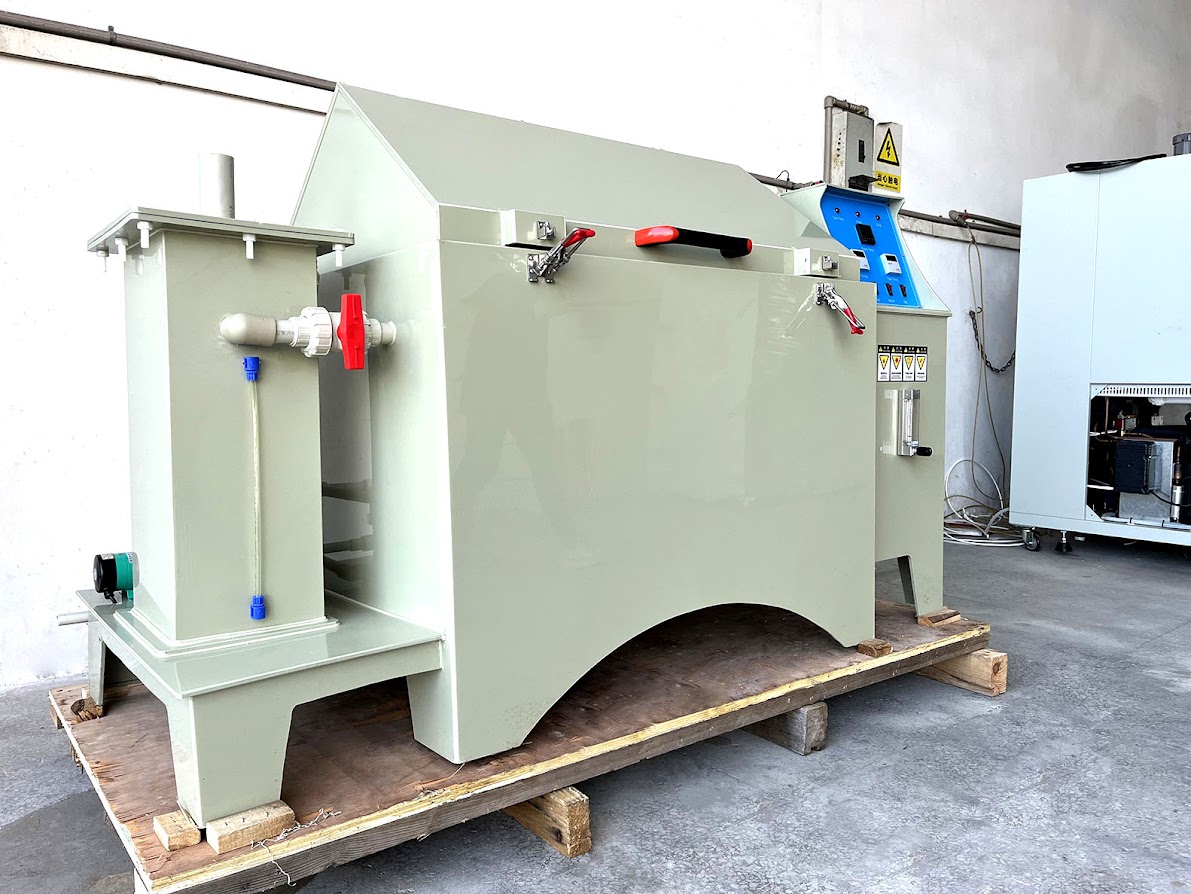
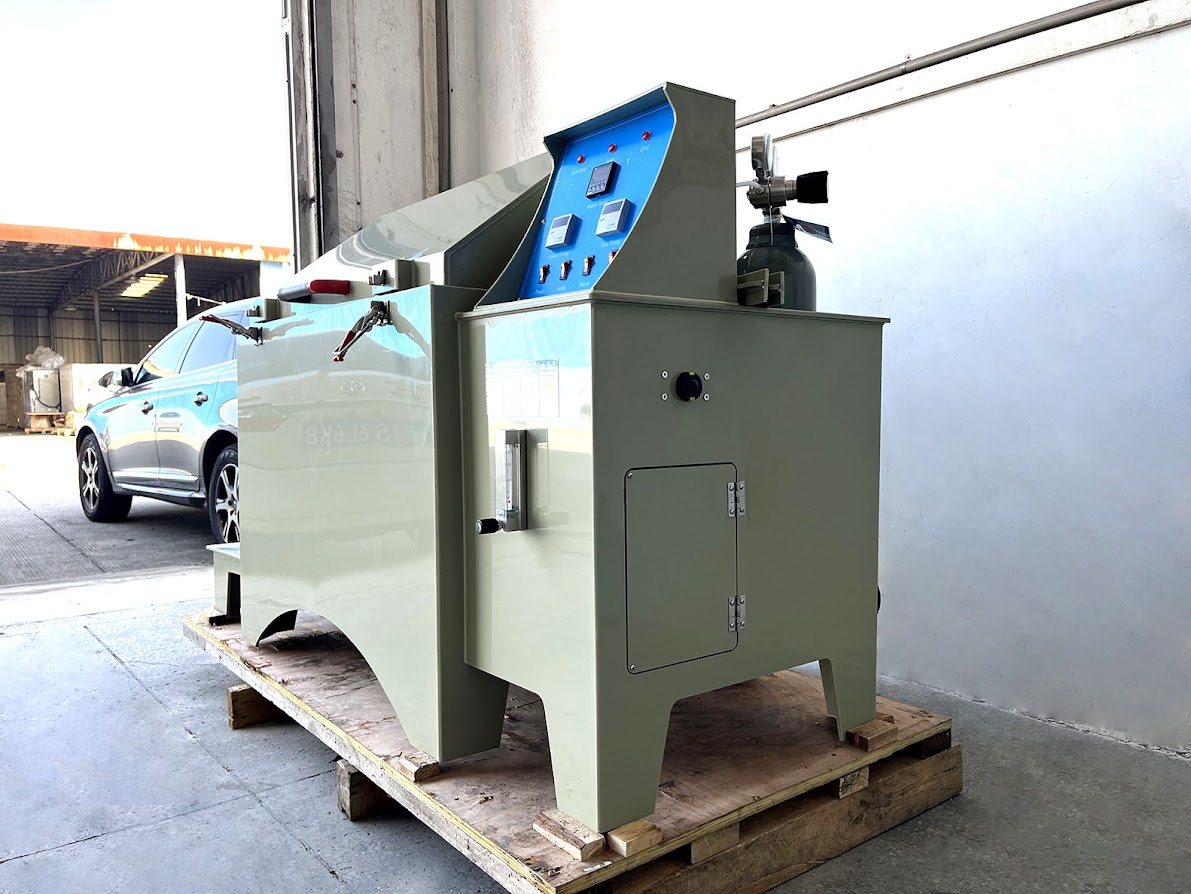
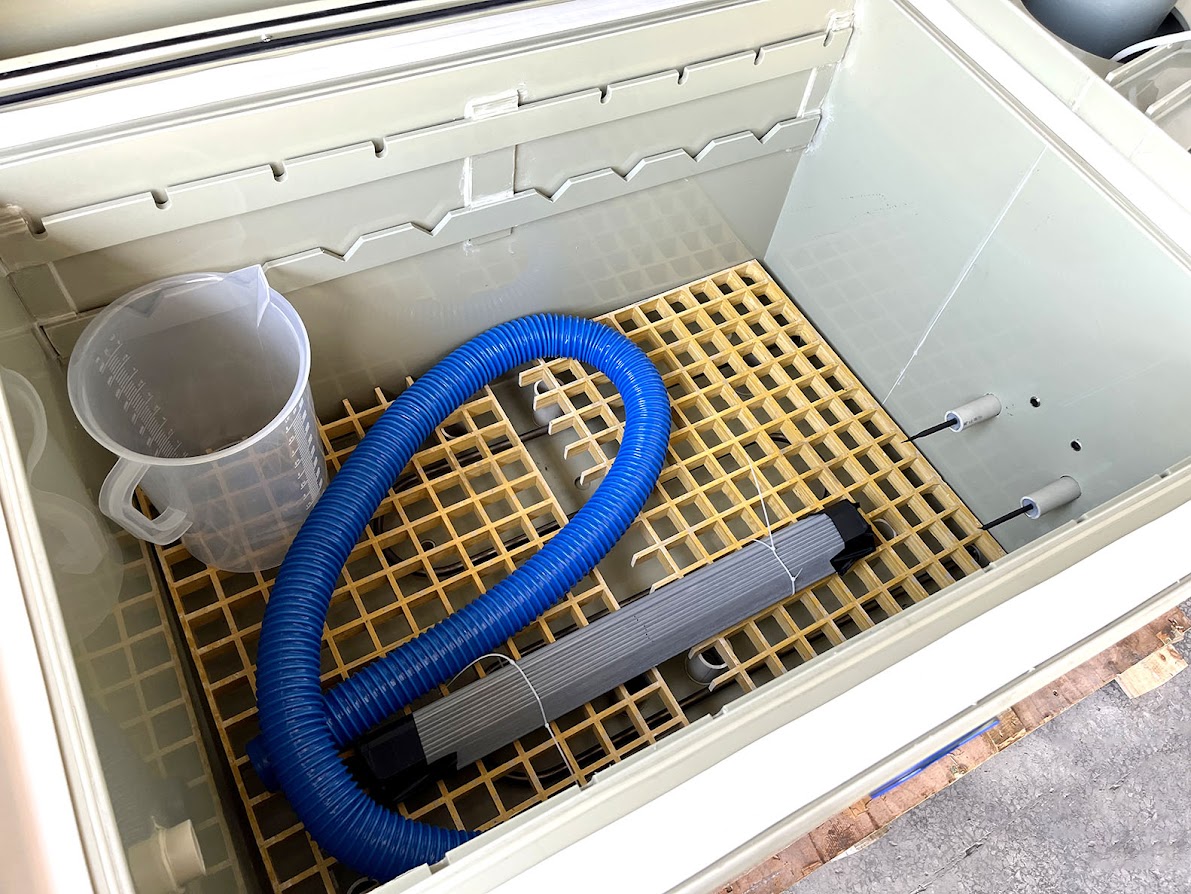
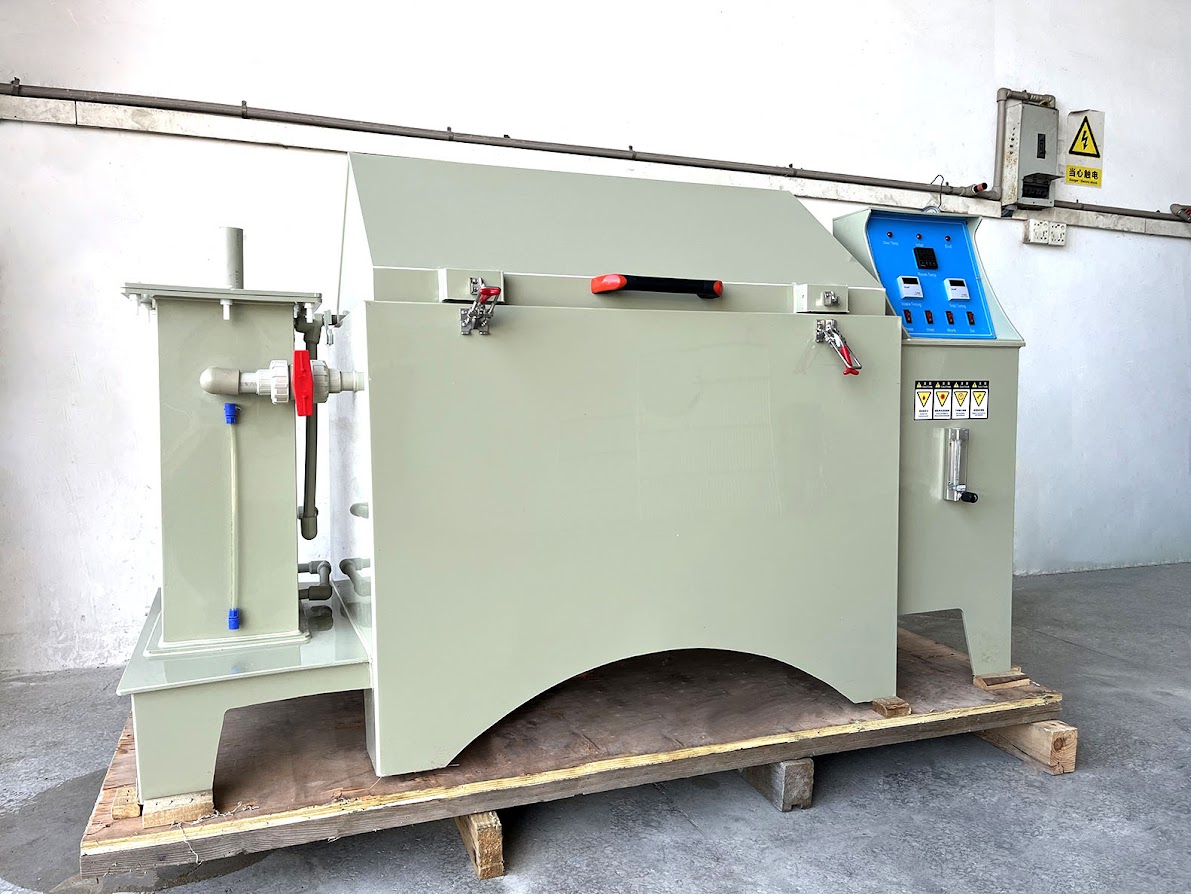
| Kesternich (SO2) chambers are recommended that the high-concentration gas sealing testing machine be placed next to the window and used with the exhaust pipe to introduce the exhaust gas to the outdoors. The exhaust gas emission process should not be too long to achieve the best emission effect. | Installation Instructions |
| Please do not place the sulfur dioxide test chamber in a humid environment. | |
| Connect the waste gas discharge pipe (the diameter of the discharge port is 50mm). During the connection process, please pay attention to the sealing condition of each joint and connect it to the outdoors (do not discharge directly into the inhabited area). | |
| There are two drainage pipes with a diameter of 20mm at the bottom of the back of the sulfur dioxide test chamber. You can choose a hose or PVC pipe to connect to the outdoors. |
Corrosion is a significant concern for various industries that deal with materials exposed to harsh environments. Sulfur dioxide (SO2) is a notable corrosive gas that can cause damage to metals, polymers, and other materials. To help mitigate potential risks and ensure reliable product performance, the installation of a sulfur dioxide test chamber plays a crucial role.
Sulfur dioxide (SO2) is a colorless gas with a pungent odor commonly found in industrial environments, particularly in combustion and chemical processes. It is a primary component of acid rain and a significant contributor to airborne pollution. Understanding the effects of SO2 on materials is crucial for industries such as automotive, electronics, and construction, where exposure to this gas can lead to premature degradation and failure.


