


The Kesternich test is an essential method for evaluating materials and products’ resistance to sulfur dioxide (SO2) corrosion. This testing procedure helps manufacturers determine the durability and longevity of their products in environments where exposure to industrial or environmental SO2 is common. In this article, we will delve into the test methods and operating procedures for the Kesternich test, emphasizing the significance of sulfur dioxide testing and its implications for product performance.
Understanding Sulfur Dioxide (SO2) Testing: Sulfur dioxide is a highly reactive gas that poses significant corrosion risks to various materials. Sulfur dioxide testing aims to assess how products and materials will withstand exposure to SO2 over time. The Kesternich test, in particular, provides valuable insights into the potential damage caused by sulfur dioxide corrosion.
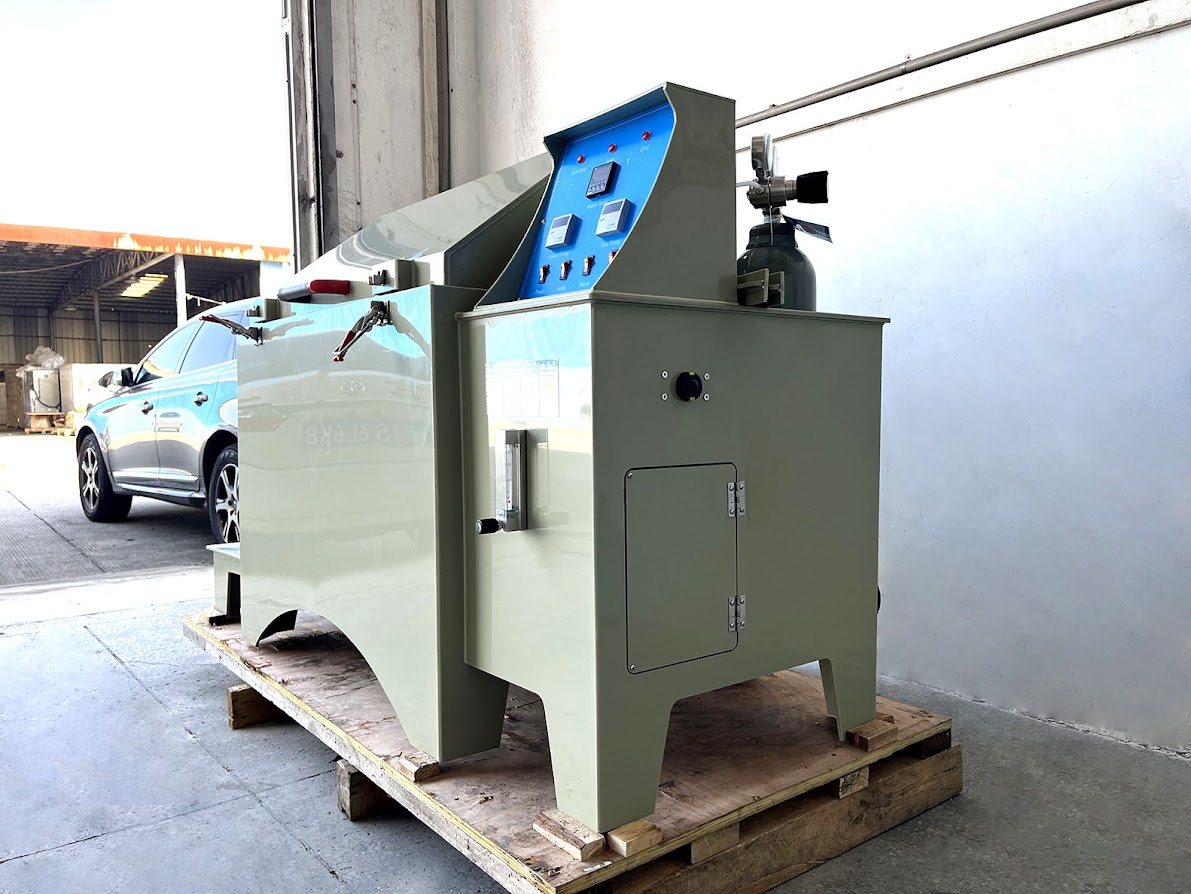
| 1. Put an appropriate amount of deionized or distilled water (the low water level indicator light goes out) at the bottom of the test room. | Kesternich Test Methods – SO2 |
| Note: The amount of water depends on the volume of the test room. When the volume of the test room changes, water can be added according to the actual test room size. | |
| . | |
| 2. Place the sample into the storage rack and close the door. | |
| 3. Transport the calculated sulfur dioxide gas into the test room and start timing. | |
| 4. Turn on the heater and let the test room temperature rise to +40℃ ±3℃ within 1.5 hours. It should be kept within the range in the future. | |
| 5. A test cycle is 24 hours, But before each test cycle, You can be exposed to the test room for 24 hours continuously, or you can be exposed to the test room for 8 hours first, and then exposed to the indoor environment for 16 hours. | |
| Note 1: Regardless of which method is used, the water and corrosive gases in the tank must be replaced before the start of each 24-hour test cycle. | |
| Note 2: When the test room is continuously exposed for more than 24 hours, you can decide whether to replace the water or corrosive gas in the box according to the actual situation. | |
| . | |
| After the test is completed, Take out the sample from the test room. | Cleaning of Specimens After Testing |
| Before evaluation, the sample is suspended in the general indoor atmosphere until the liquid corrosion products dry. | |
| First, Detect the corrosion products without removing them, and then clean them. | |
| Note: Cleaning treatment should be carried out according to the test result evaluation specifications. |
| Nitroglycol (ethylene glycol dinitrate), nitroglycerin (glycerin trinitrate), nitrocellulose and other explosive nitrates. | A. Explosives: | Kesternich Test Must Not Be Used for Testing of or Containing the Following Substances: |
| Trinitrobenzene, trinitrotoluene, trinitrophenol (picric acid) and other explosive nitro compounds. | ||
| Peracetic acid, methyl ethyl ketone peroxide, benzoyl peroxide and other organic peroxides. | ||
| . | ||
| Metals: “lithium”, “potassium”, “sodium”, yellow phosphorus, phosphorus sulfide, red phosphorus. | B. Combustibles and Spontaneous Combustion Materials: | |
| Celluloid: calcium carbide (carbide), phosphate lime, magnesium powder, aluminum powder, sodium bisulfite. | ||
| Oxide Properties: Potassium chlorate, sodium chlorate, ammonium chlorate and other chlorates. | ||
| Oxide Properties: Potassium peroxyacid, sodium peroxyacid, ammonium peroxyacid and other peroxyacid salts. | ||
| Oxide Properties: Potassium peroxide, sodium peroxide, barium peroxyate and other inorganic peroxides. | ||
| Oxide Properties: Sodium chlorite and other chlorites. | ||
| Oxide Properties: Potassium nitrate, sodium nitrate and other nitrates. | ||
| Oxide Properties: Potassium hypochlorite and other hypochlorites. | ||
| . | ||
| Hydrogen, acetylene, ethylene, methane, ethane, propane, butane and other gases that may burn at a temperature of 15°C and a pressure of 1 atmosphere. | C. Flammable Gases: | |
| Ether, gasoline, acetaldehyde, propylene oxide, carbon disulfide and other substances with a ignition point less than -30 ℃. | D. Flammables: | |
| Ordinary ethane, ethylene oxide, acetone, benzene, methyl ethyl ketone and other substances with a ignition point above -30°C but less than 0°C. | ||
| Methanol, ethanol, xylene, amyl acetate and other substances with flash points above 0℃ and below 30℃. | ||
| Kerosene, gasoline, turpentine, isoamyl alcohol, acid vinegar and other substances with a ignition point above 30℃ and below 65℃. |
Specialized Gas Corrosion & Environmental Solutions
Master the Kesternich test with high-precision SO2 gas dosing. Explore our range of specialized corrosion chambers and climatic systems designed for advanced industrial and chemical resistance testing.
Sulfur dioxide testing, Eespecially through the Kesternich test procedure, plays a crucial role in evaluating materials’ resistance to corrosion. By understanding the test methods and operating procedures involved, manufacturers can enhance their product design, quality, and overall performance. The insights gained from Kesternich testing enable informed decision-making and ensure that products can withstand challenging environments where sulfur dioxide corrosion is prevalent.
Sulfur dioxide corrosion can affect a wide range of industries, including automotive, construction, electronics, and more. Understanding the corrosive effects of SO2 is critical for manufacturers to design and produce products that can withstand such challenging environments. The Kesternich test plays a vital role in ensuring product quality and durability.


